Electric vs gas
Electric vs gas fireplace
Install cost, running cost, heat, realism and venting — with an honest account of where gas wins.
Top pick
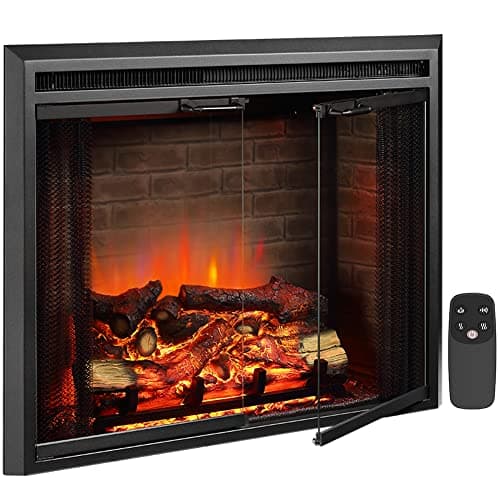
PuraFlame Klaus 33" Electric Fireplace Insert
#ad We earn a commission at no cost to you.
Cross-cutting comparisons
Two comparisons that involve real differences, and an explanation of why most of the others do not.
Electric vs gas
Install cost, running cost, heat, realism and venting — with an honest account of where gas wins.
Top pick
PuraFlame Klaus 33" Electric Fireplace Insert
#ad We earn a commission at no cost to you.

Electric vs space heater
Identical heat, identical running cost. What the price difference actually buys, and when a space heater is the honest answer.
Top pick
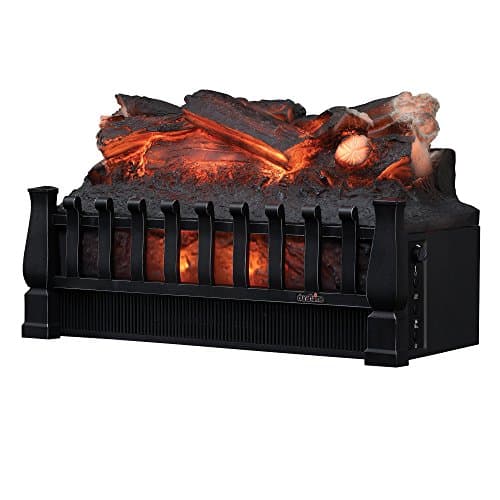
Duraflame DFI021ARU 20" Electric Fireplace Log Set
#ad We earn a commission at no cost to you.
Electric vs baseboard
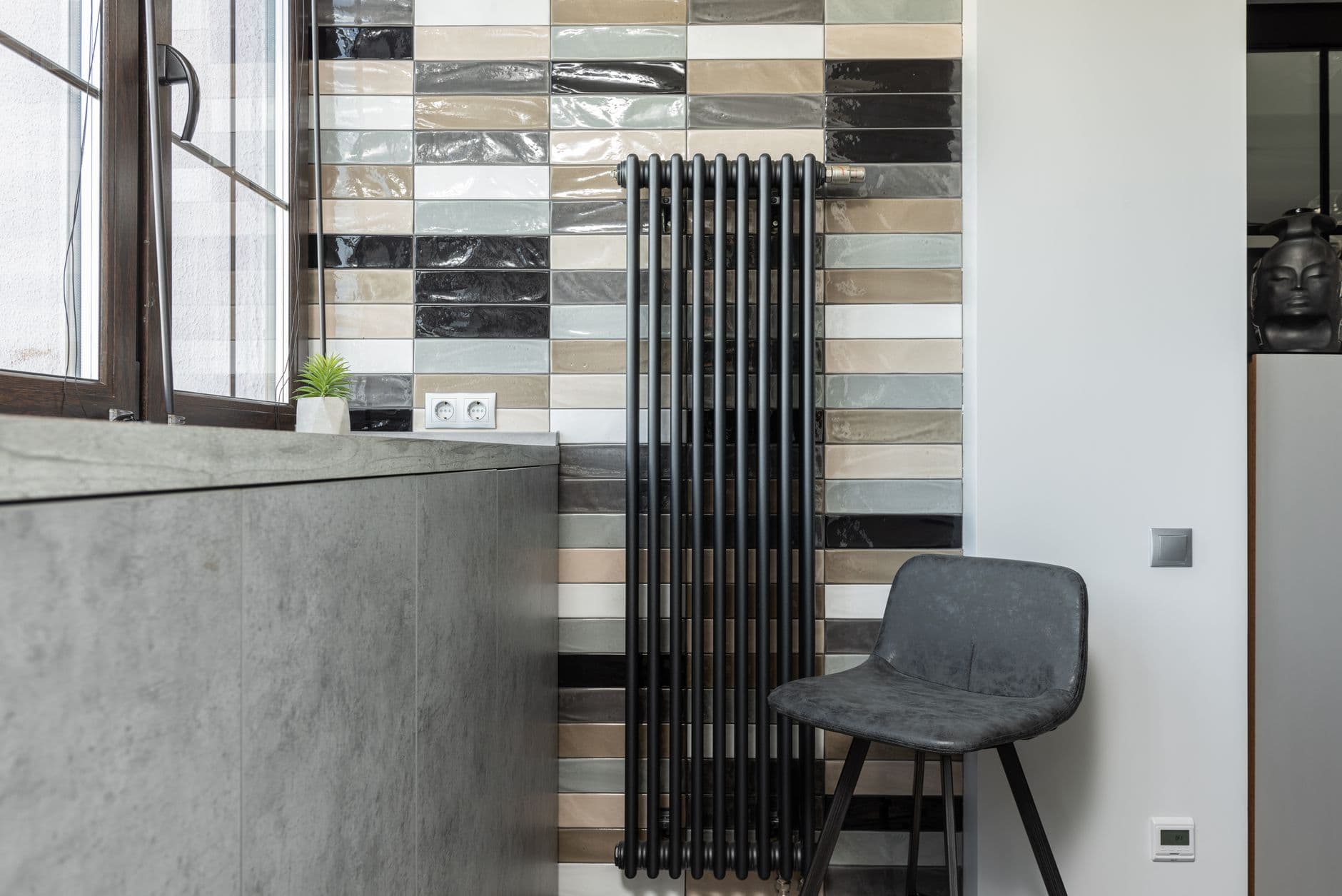
Same cost per BTU, because both are resistance heat. Baseboard can be built past 1,500 W; a plug-in fireplace cannot. Which one that favors depends on the room.
Top pick
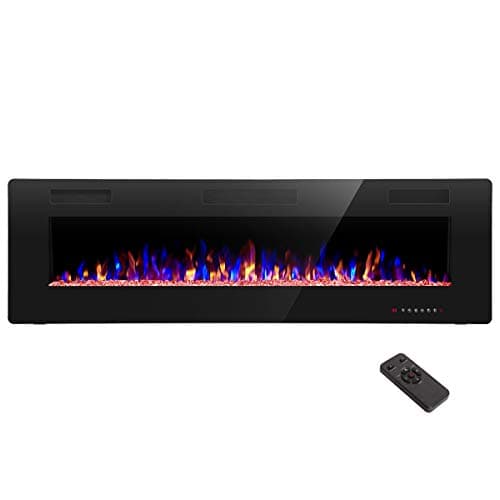
R.W.FLAME 60" Ultra-Thin Recessed & Wall-Mount Fireplace
#ad We earn a commission at no cost to you.
Electric vs wood
An open fire is 10-20% efficient and can be a net heat loss. Electric delivers everything it draws but caps at 1,500 W. Which trade that favors, and when the answer is a wood insert instead.
Top pick
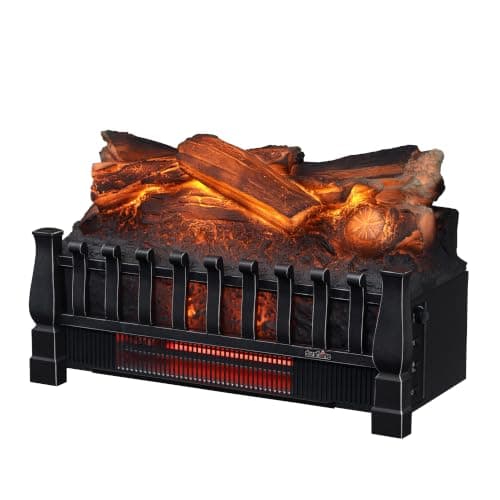
Duraflame DFI030ARU 20" Infrared Electric Fireplace Log Set
#ad We earn a commission at no cost to you.
Electric vs pellet
A pellet stove outputs 8,000 to 90,000 BTU/hr; the whole electric category caps at 5,118. Why the real decision is fuel, venting and ash rather than heat.
Top pick
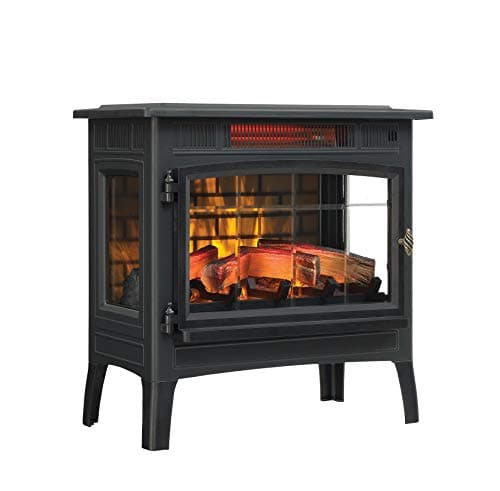
Duraflame DFI-5010-01 3D Infrared Fireplace Stove
#ad We earn a commission at no cost to you.

Best brands compared
What each brand actually specializes in, what they publish, and which purchase each one suits.
Top pick
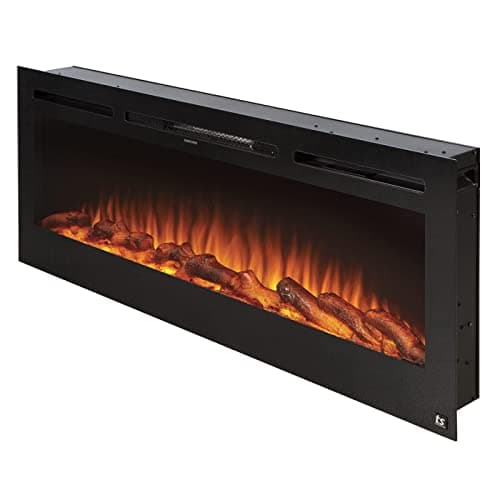
Touchstone The Sideline 50
#ad We earn a commission at no cost to you.

Dimplex vs Touchstone
They compete in one place: 50-inch linear wall units. Depth, the 240V heat path and warranty decide it — with sourced numbers for each.
Top pick
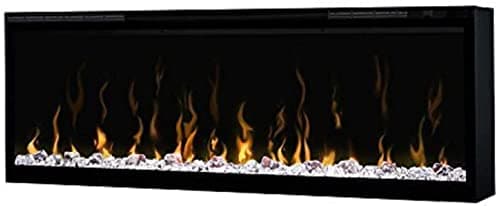
Dimplex IgniteXL 50" Linear Fireplace (XLF50)
#ad We earn a commission at no cost to you.
Clearest install decision
What hardwiring actually buys you, which units support both, and why one popular firebox produces less heat than a plug-in unit on a normal circuit.
Top pick
Touchstone The Sideline 50
#ad We earn a commission at no cost to you.
Clearest upgrade question
Identical heaters, roughly double the price. The real differences are the frameless glass, the viewing area and a two-inch height change that affects your framing.
Top pick
Touchstone The Sideline 50
#ad We earn a commission at no cost to you.
Touchstone lineup decoded
Eight Touchstone families explained by what actually differs — width, depth and the front of the unit — because the heater is the same in all of them.
Top pick
Touchstone The Sideline 50
#ad We earn a commission at no cost to you.
Dimplex lineup decoded
Four Dimplex ranges explained — water vapor, Revillusion, IgniteXL and Prism — and the voltage tables that decide what heat you actually get.
Top pick
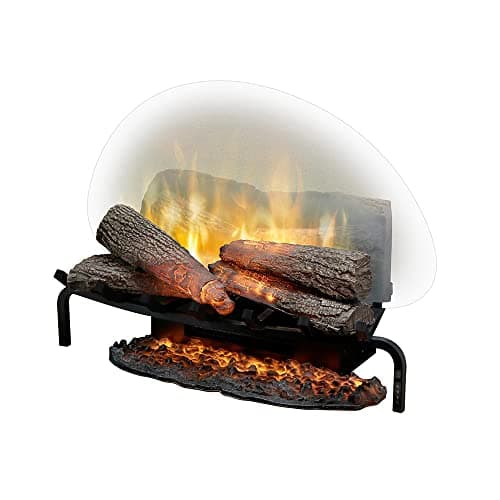
Dimplex Revillusion RLG25 25" Plug-In Log Set
#ad We earn a commission at no cost to you.
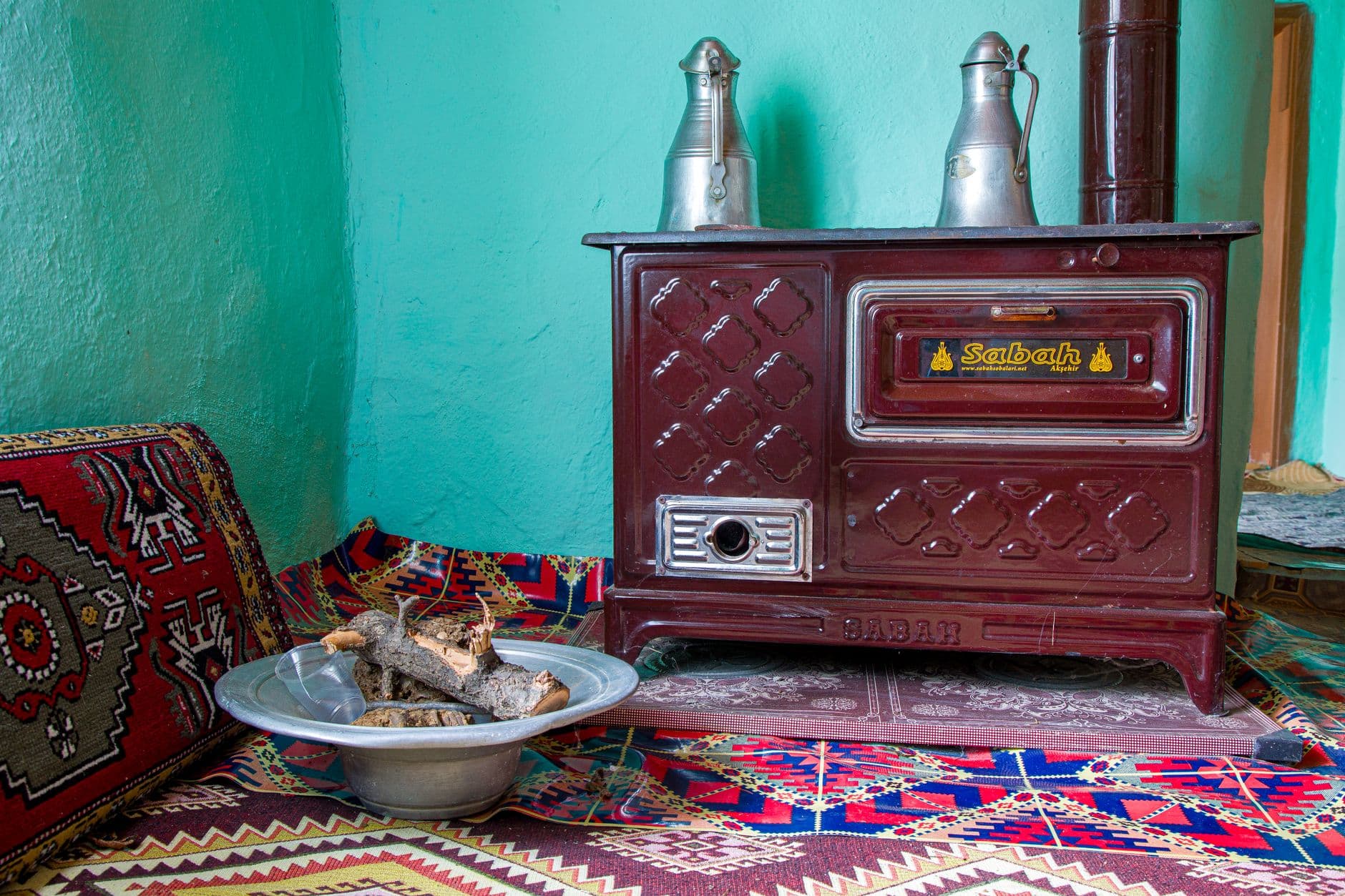
Duraflame lineup decoded
Five Duraflame units across two shapes — log sets and stoves — and the one question that decides which half of the range you are shopping.
Top pick
Duraflame DFI030ARU 20" Infrared Electric Fireplace Log Set
#ad We earn a commission at no cost to you.
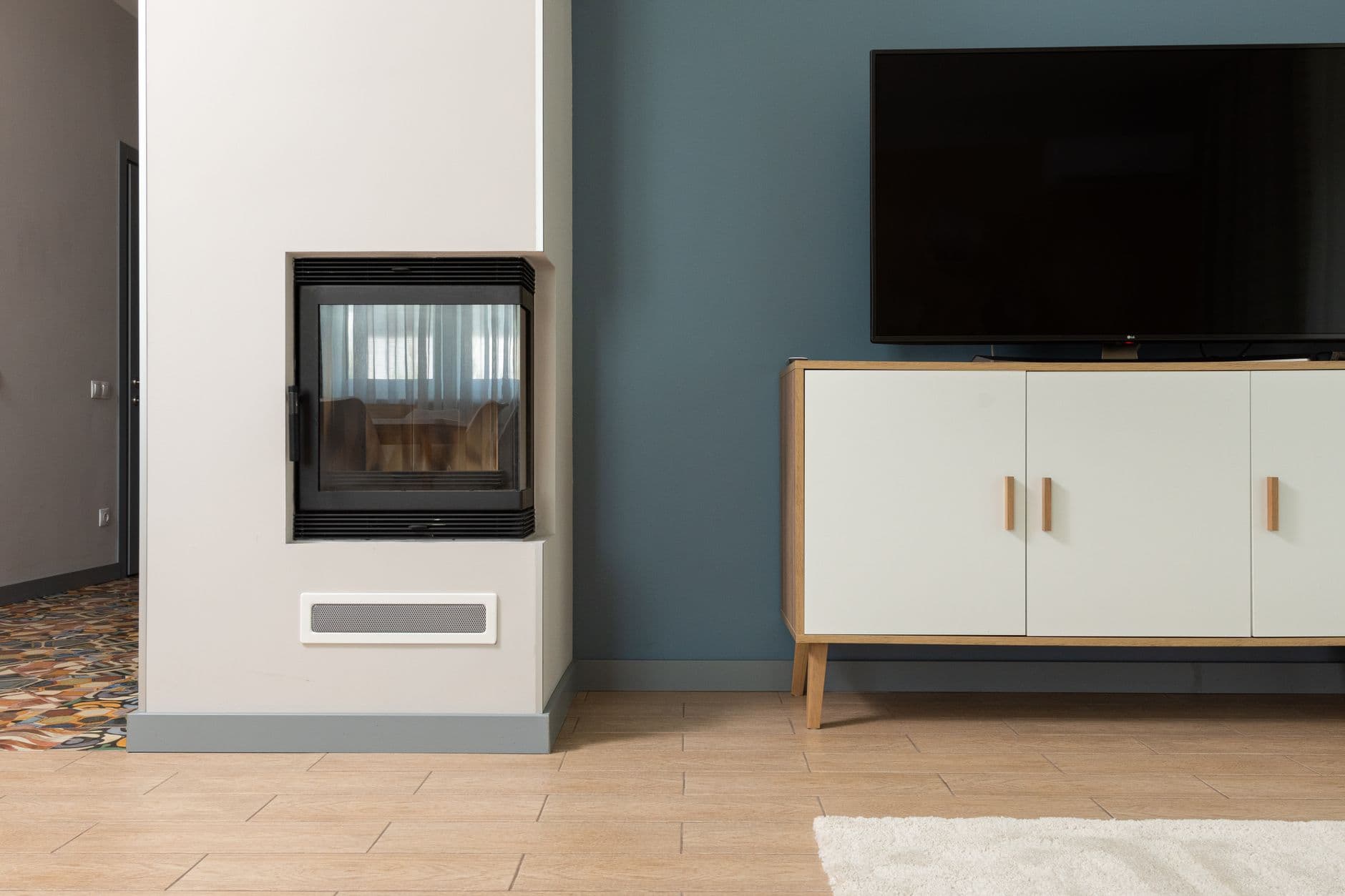
Napoleon lineup decoded
Allure, Purview, Entice and CLEARion compared — what each range is for, the one model that breaks the 1,500-watt ceiling, and where Napoleon's documentation stops.
Top pick
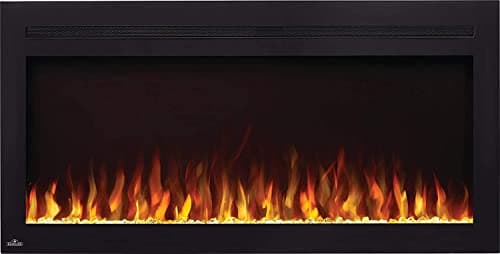
Napoleon Purview 42 (NEFL42HI)
#ad We earn a commission at no cost to you.
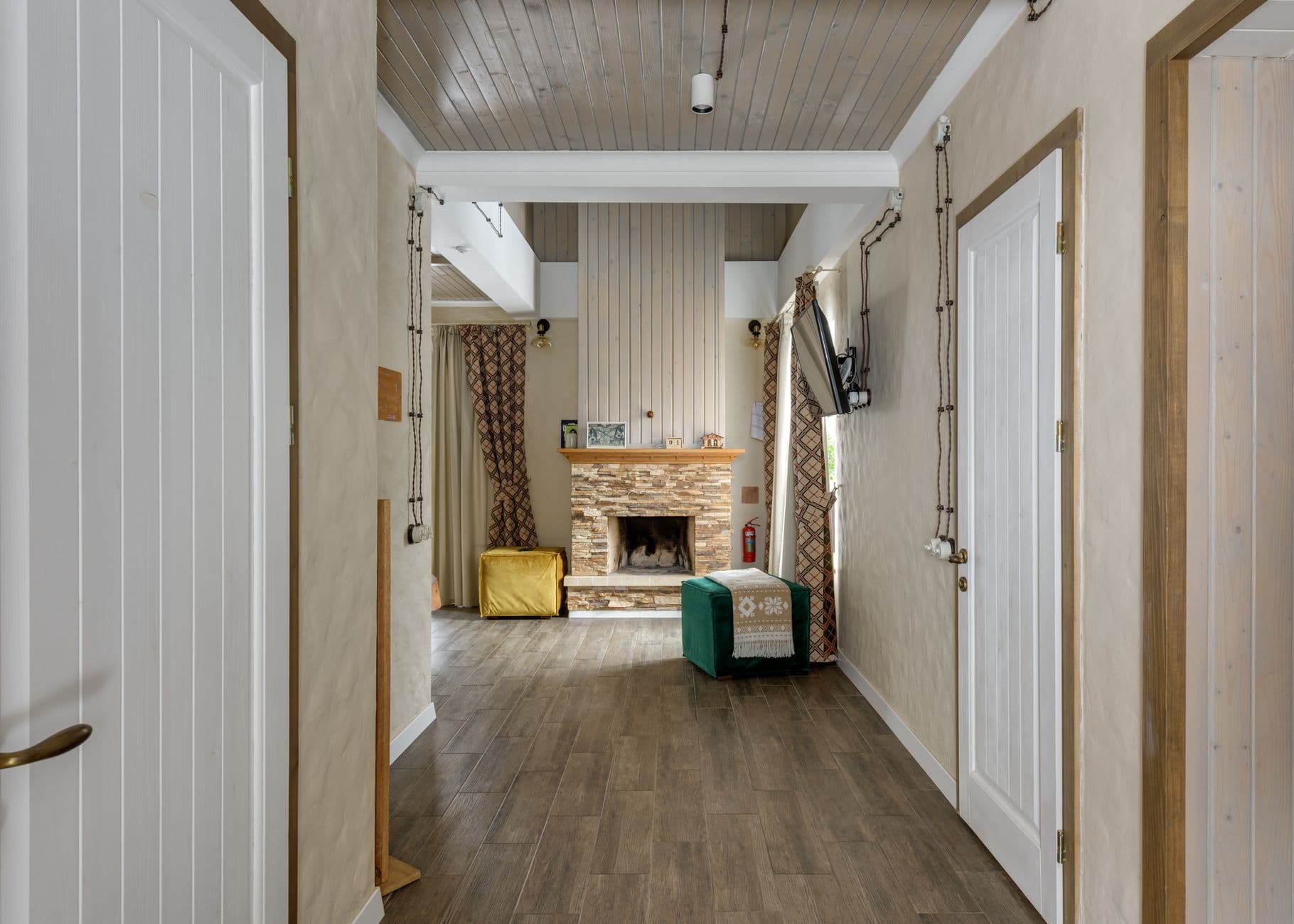
Modern Flames lineup decoded
The Landscape Pro Slim and Spectrum Slimline ranges decoded — what Hybrid-FX and a PTC ceramic heater actually change, and which specification Modern Flames leaves in a PDF.
Top pick
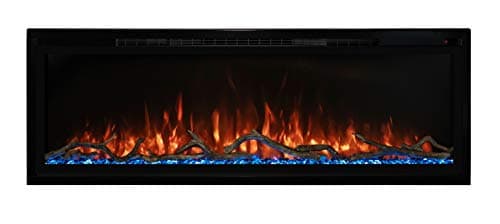
Modern Flames Spectrum Slimline 60 (SPS-60B)
#ad We earn a commission at no cost to you.

Amantii lineup decoded
Panorama Extra Slim against Panorama Deep — what four inches versus twelve and three-quarters changes, the indoor/outdoor rating, and the specification Amantii never publishes.
Top pick
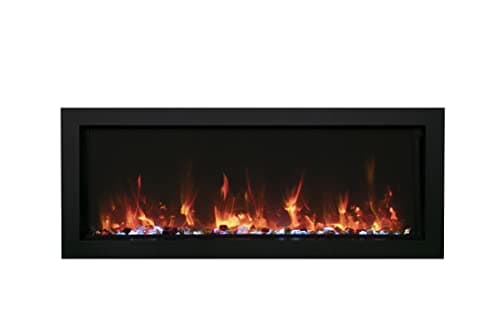
Amantii Panorama BI-60 Extra Slim (BI-60-XTRASLIM)
#ad We earn a commission at no cost to you.
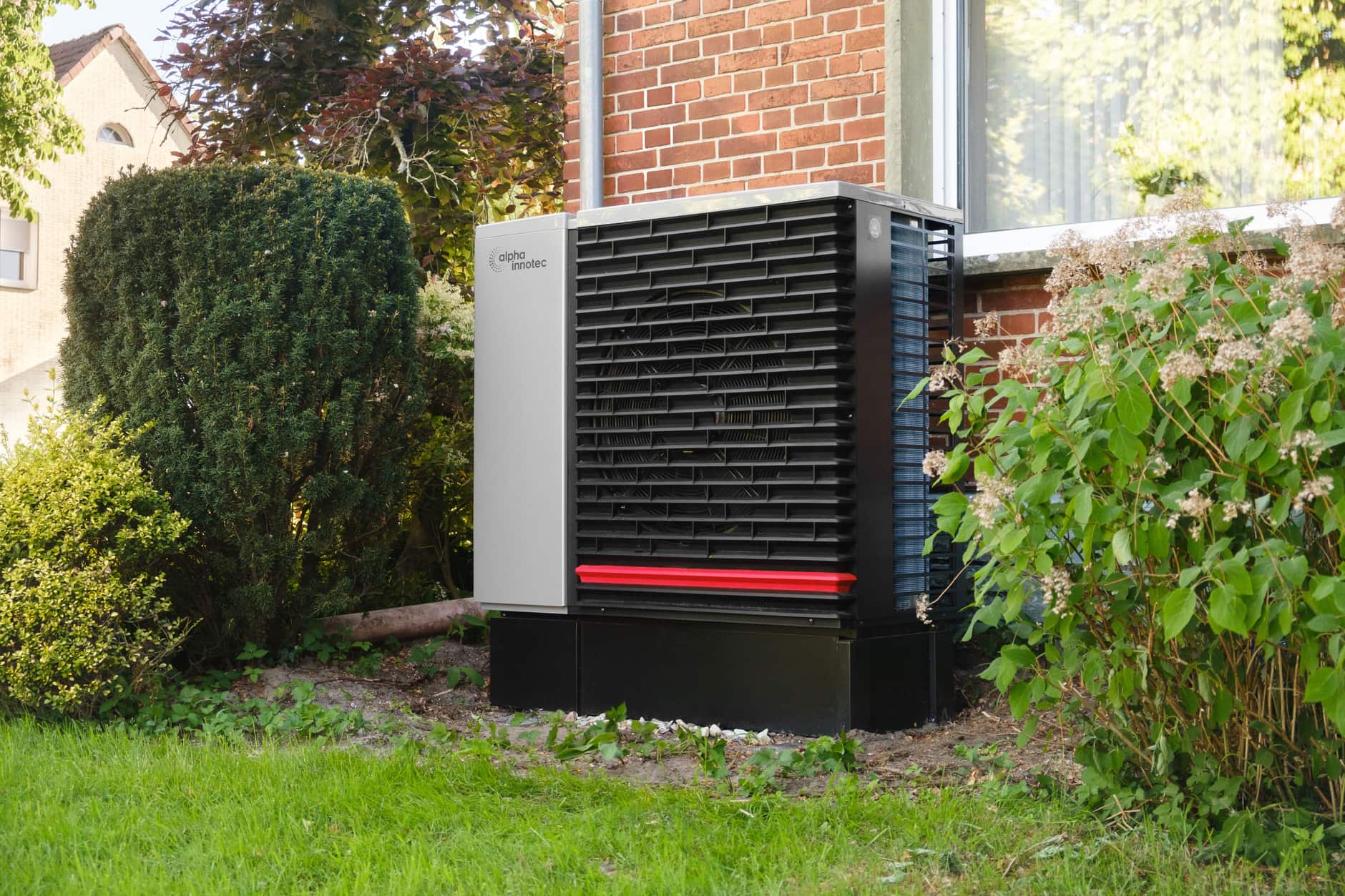
Electric vs heat pump
A heat pump transfers heat rather than generating it, which puts it beyond a ceiling an electric fireplace can never pass. What that means in practice, and what to buy for the fire instead.
Top pick
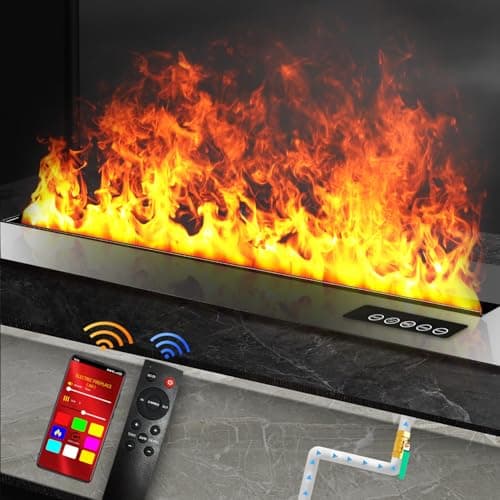
SUNLITUP 31.6" Water Vapor Fireplace (3D-100W)
#ad We earn a commission at no cost to you.
Most comparison content in this category compares things that do not differ. Two 1,500 W fireplaces produce identical heat and cost identically to run, so a side-by-side on heat output is a table of the same number twice. These two pages compare things that genuinely differ.
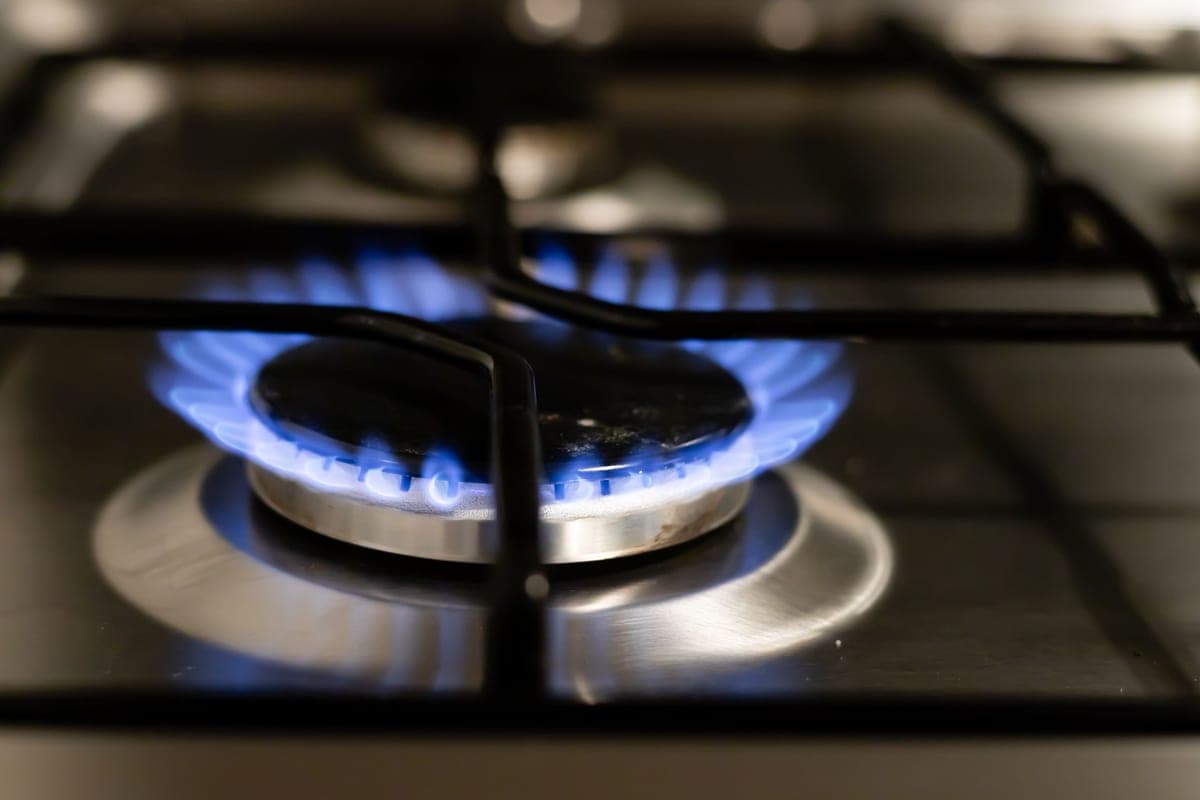
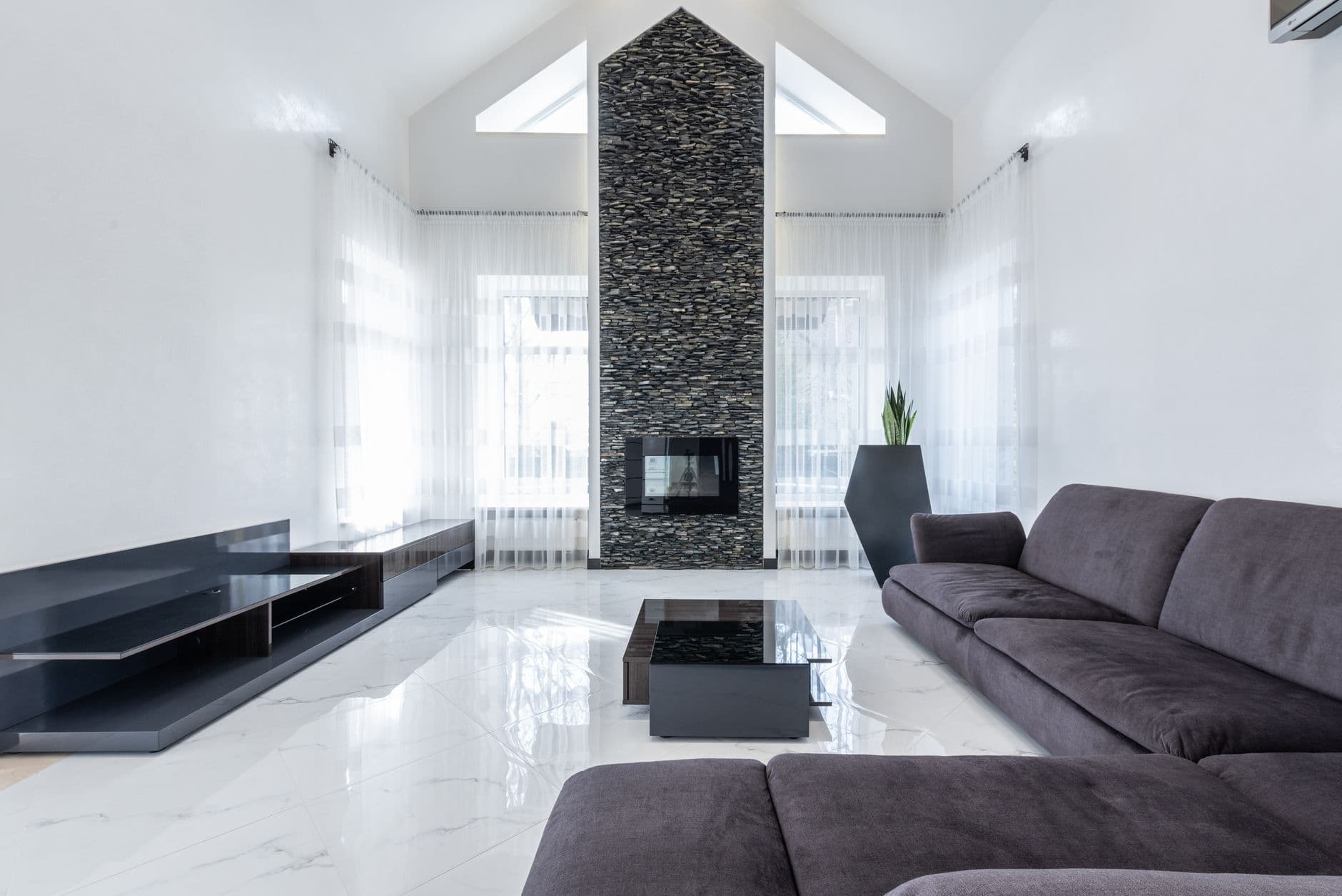
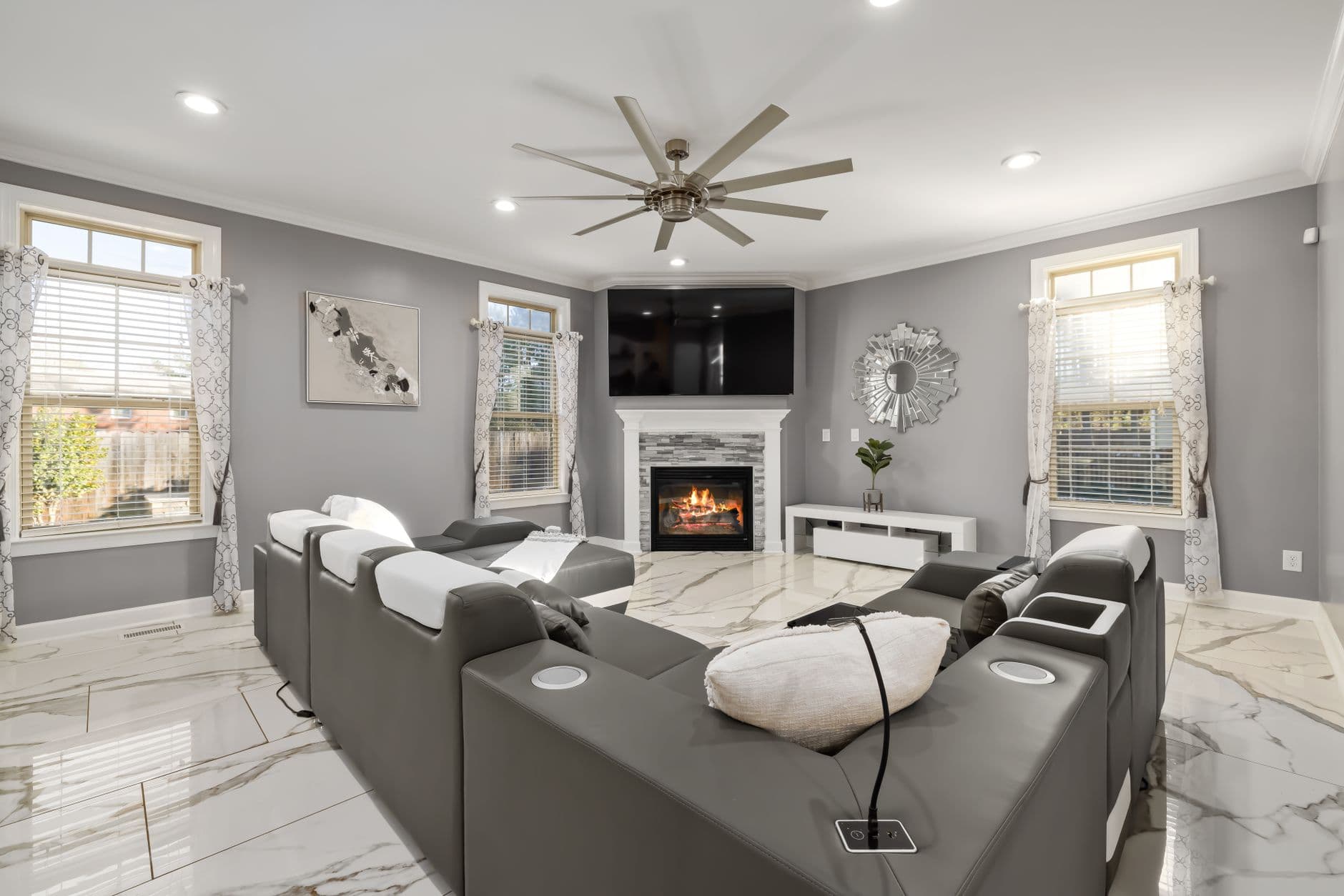
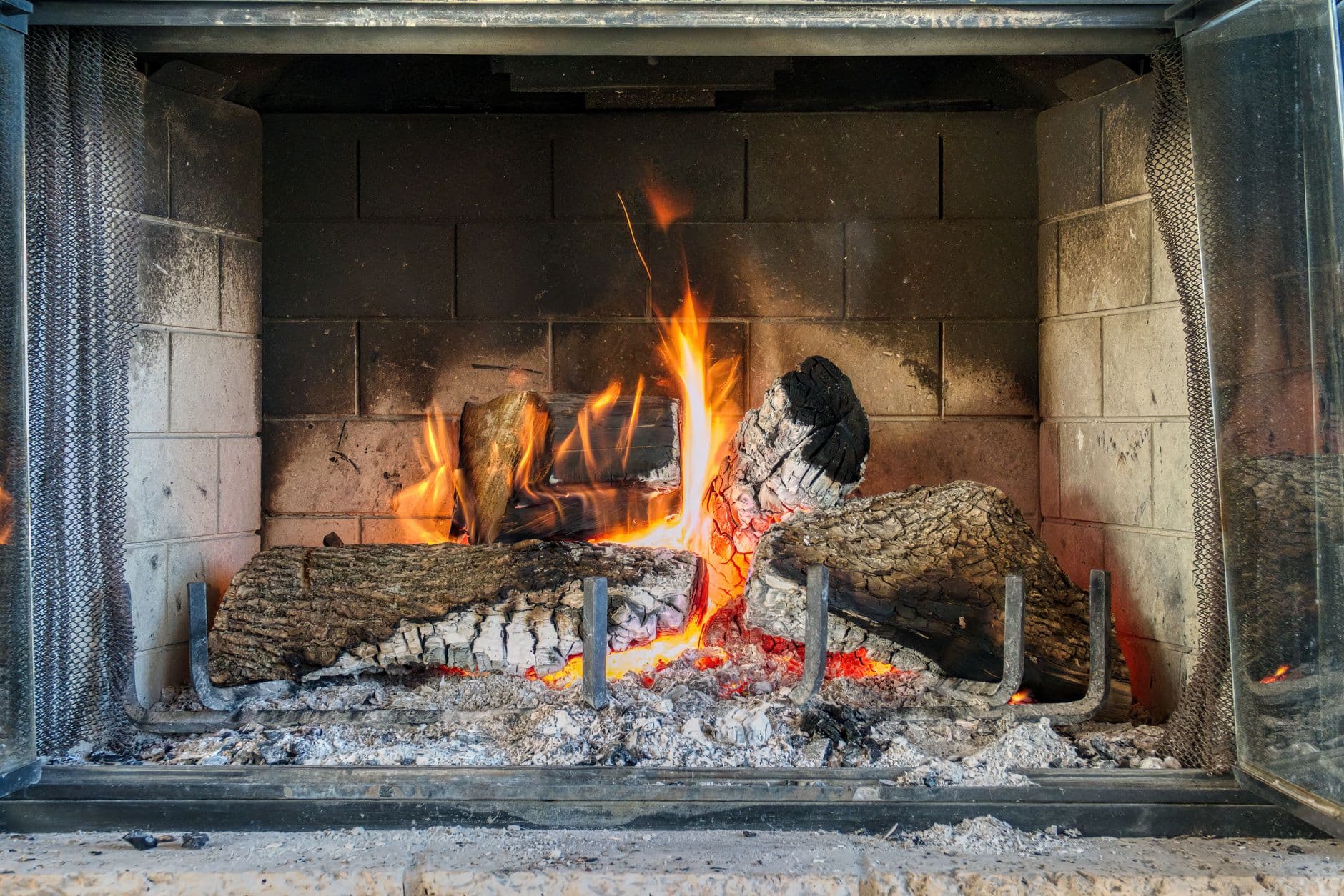
[Electric vs gas](/compare/electric-vs-gas-fireplace) is the real fork, and gas wins two of the arguments outright — it produces four to eight times the heat and it is a real flame. Electric wins on install cost, flexibility, and the ability to run a flame with no heat at all for under two cents an hour. Which matters more depends on whether you are heating a room or furnishing one.
[Which brand is best](/compare/best-brands) turns out to be the wrong question with a useful answer. These companies specialize in different things: Dimplex owns the flame technology, Touchstone makes the deepest range of linear units, Duraflame owns the drop-in firebox segment, R.W.FLAME engineers for wall depth, and Walker Edison is a furniture business. Decide the purchase and the brand answers itself.
Heat output between electric units, because there is nothing to compare — the 120 V circuit caps every plug-in unit at 1,500 W and about 5,118 BTU per hour. Coverage claims in square feet, because those are supplemental-heat ratings rather than output figures and comparing them compares marketing decisions. And anything requiring us to have used the products, because we have not.