Guide · the costs beyond the box
What installing an electric fireplace insert really costs
The unit price is the number everyone quotes. These are the four costs that turn up afterward, in the order you will meet them.
By Scooter M.Published September 2, 2026Last reviewed September 2, 2026
The four costs, in the order they appear
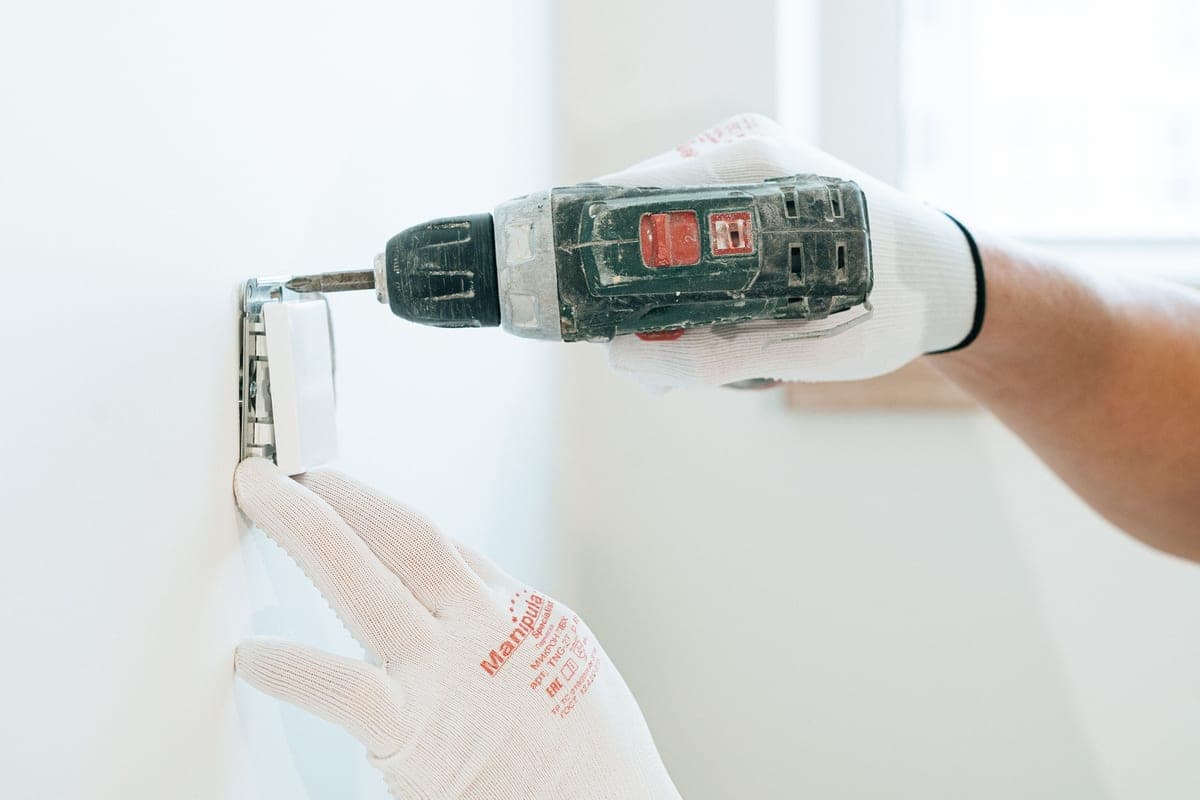
Beyond the unit itself: a trim kit if the insert is narrower than the opening; a receptacle if there is no power where the fireplace goes; framing and drywall if you are recessing rather than dropping into masonry; and an electrician for anything involving new circuits. Only the first is predictable from a product page.
We are deliberately not putting dollar figures on the last three. Electrical labor rates vary by several hundred percent across US markets, permit requirements differ by jurisdiction, and what your existing panel and circuits can absorb is specific to your house. A national average would be a number that is wrong everywhere. What we can do is tell you exactly which line items exist so you can price them locally and not be surprised.
1. The trim kit
The single most common surprise in this category. Product photography routinely shows an insert fitted with a surround that is a separate purchase, and masonry openings almost never match a manufactured unit exactly. If your opening is 36 inches and the insert is 33, something has to cover the three-inch difference.
- Manufacturer trim kit — matches the unit, sold by size, ordered at the same time. The tidy answer.
- A custom surround — carpentry. More expensive, and the only option when the gap is large or asymmetric.
- Nothing — occasionally fine in a rough masonry opening where the gap reads as deliberate. Rarely fine in a framed one.
2. Power at the fireplace
Fireplaces built for wood have no receptacle in them. A 1,500 W insert draws 12.5 amps continuously, which is most of a 15-amp circuit on its own, and manufacturers commonly specify a dedicated circuit for exactly that reason. Your three options, in descending order of tidiness: a new receptacle inside the firebox or recess, an existing outlet with the cord run visibly, or a floor outlet if one happens to be close.
3. Framing, drywall and finishing
This applies only if you are recessing into a wall rather than using an existing masonry opening. The work is: locate studs and check what is inside the cavity, cut the opening, frame it (with a header if you cut a stud), fit the unit, then patch, tape, sand and paint the surrounding drywall.
The framing itself is competent DIY for a lot of people. The finishing is what people underestimate — matching a paint finish around a fresh patch is the difference between an install that looks built-in and one that looks cut in. Step-by-step on how to mount and recess.
4. The running cost, which is the real total
Installation is a one-off. Running it is not, and over a few seasons the electricity outweighs most installation line items.
| Usage | Hours | Heat on (1,500 W) | Flame only (~100 W) |
|---|---|---|---|
| One evening | 4 | $1.10 | $0.07 |
| A week of evenings | 28 | $7.70 | $0.51 |
| A month, 4 hrs a night | 120 | $33.01 | $2.20 |
| A 90-day winter, 4 hrs a night | 360 | $99.04 | $6.60 |
| Per hour | 1 | 27.5¢ | 1.8¢ |
About $99 per 90-day winter on full heat at four hours a night, or about $2 for the same period running the flame alone. Multiply by however many winters you expect to own it and compare that against the install estimate — for a lot of people the electricity is the bigger number within three years.
The cheapest legitimate install
- Buy a log set rather than a full insert — no trim kit, no framing, no fitting.
- Place it in an existing masonry opening — no cutting, no drywall, no header.
- Use an existing nearby receptacle and accept a visible cord, or run it along the hearth line where it is least obvious.
- Run flame only most of the time and the heater when you want it — under two cents an hour instead of 27.5.
That is a genuinely zero-labor install and it is what a large share of buyers in this category actually do. It looks less finished than a recessed unit, and it costs a fraction as much to get there.
Questions people actually ask
Do I need an electrician to install an electric fireplace insert?
Not to place the unit — every plug-in insert simply plugs into a standard receptacle. You need one if there is no receptacle where the fireplace goes, if you are recessing and need power inside the cavity, or if the unit's manufacturer specifies a dedicated circuit that you do not already have.
Can I plug an electric fireplace into an extension cord?
Manufacturers consistently say no, and they are right. At 1,500 W the unit draws about 12.5 amps continuously, which is more than most cords and power strips are designed to carry for hours at a time. Plug it directly into a wall receptacle.
Does an electric fireplace need a dedicated circuit?
Many manufacturers specify one, because 12.5 amps is most of a 15-amp circuit before anything else on that circuit is switched on. Whether you need to add one depends on what else is on the circuit in your house — an electrician can tell you in a few minutes.
How long does installation take?
A log set in an existing firebox: minutes. A full insert into masonry with an existing outlet: an afternoon. A recessed unit in a framed wall with new electrical: a multi-day job across two trades, plus paint drying time.
Sources
Every figure on this page is either taken from one of these documents or computed from a formula shown on the page. Nothing here is recalled from memory.
Read next
- How to install an electric fireplace insert
Eight steps for fitting an insert into an existing firebox, and the point at which you stop and call an electrician.
- Watts, amps and your circuit
12.5 amps on a 15-amp circuit. Why the ceiling exists, and where we stop and an electrician starts.
- Are electric fireplace inserts worth it?
Worth it if you want a dead firebox to look alive with no venting. Not worth it as a heating strategy. The arithmetic for both.
- How to mount or recess an electric fireplace
Hanging one takes an afternoon. Recessing takes a weekend and an electrician. Both procedures, step by step.
- Plug-in vs hardwired electric fireplaces
What hardwiring actually buys you, which units support both, and why one popular firebox produces less heat than a plug-in unit on a normal circuit.