Guide · safety
Are electric fireplaces safe?
No combustion, no carbon monoxide, no flue. The four electrical considerations that do matter.
Cross-cutting reference
The reference pages that are not about one shape of fireplace: what is genuinely safe, and how to decide what to buy.

Guide · safety
No combustion, no carbon monoxide, no flue. The four electrical considerations that do matter.
Guide · faults and fixes
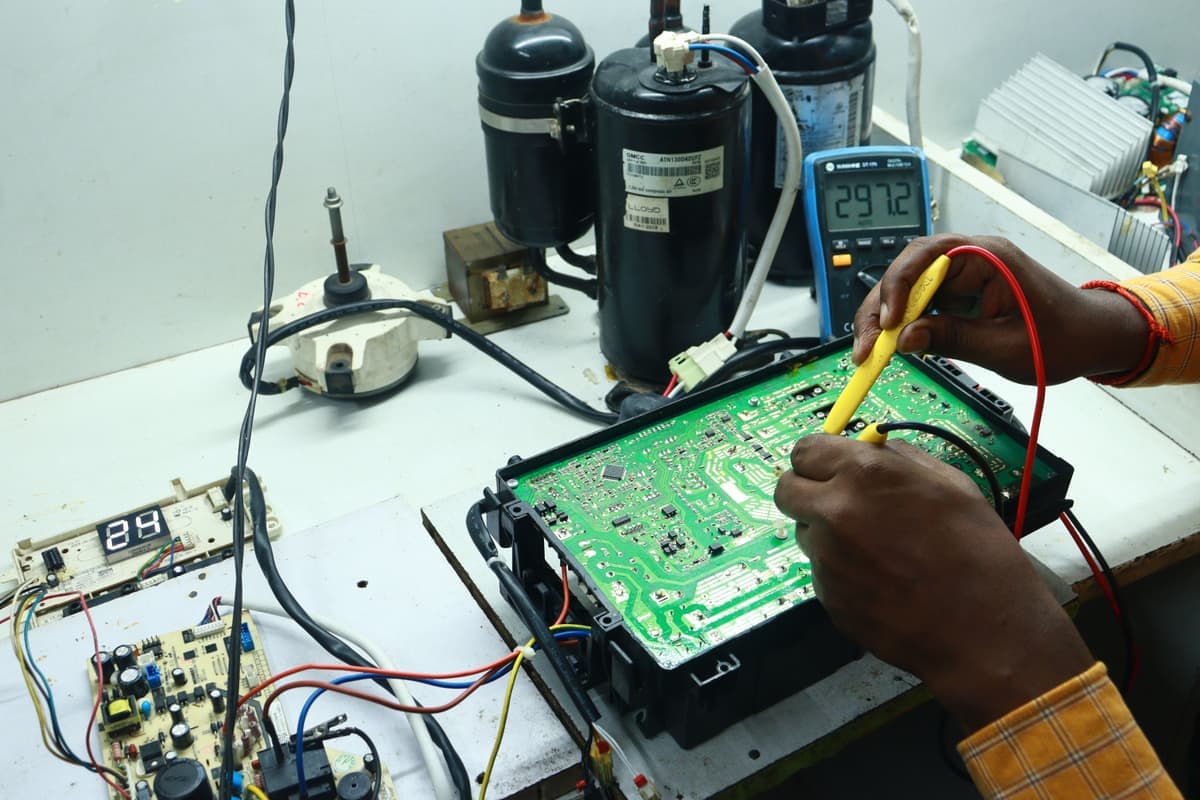
Every common symptom with its likely cause and fix — beeping, clicking, dead remote, stopped flames, no heat. No products.
The buying guide
Five decisions in order, the specs that matter, and the four that do not differ between units at all.
Top pick
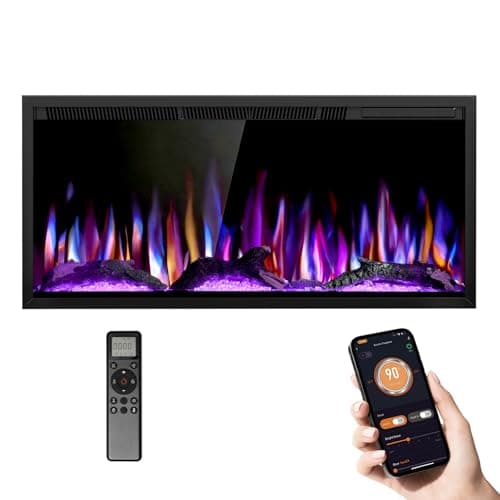
R.W.FLAME 36" Ultra-Thin Recessed & Wall-Mount Fireplace
#ad We earn a commission at no cost to you.

Best cheap units
Budget units produce the same 5,118 BTU as the flagships. Five worth buying, plus a clear list of what the extra money genuinely buys elsewhere.
Top pick
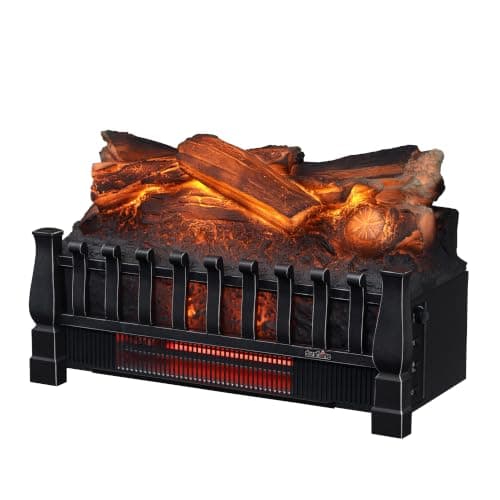
Duraflame DFI030ARU 20" Infrared Electric Fireplace Log Set
#ad We earn a commission at no cost to you.

Best smart units
The units with real WiFi and voice control, what smart features are genuinely worth having, and the 2.4 GHz band issue that breaks setup on dual-band routers.
Top pick
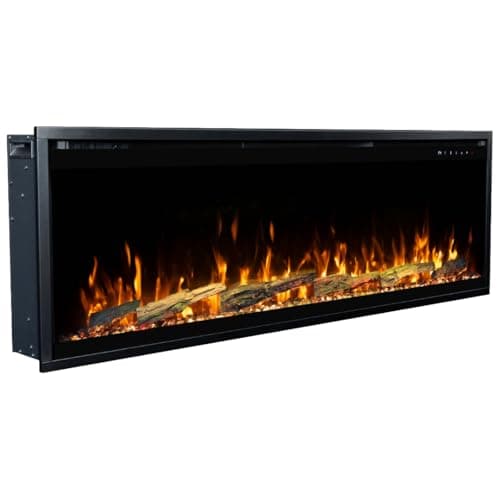
Touchstone Sideline Elite Pro 60 (80058)
#ad We earn a commission at no cost to you.

Best premium units
What separates a premium electric fireplace from a budget one: flame technology, depth, format and finish — and the four things a higher price never buys.
Top pick
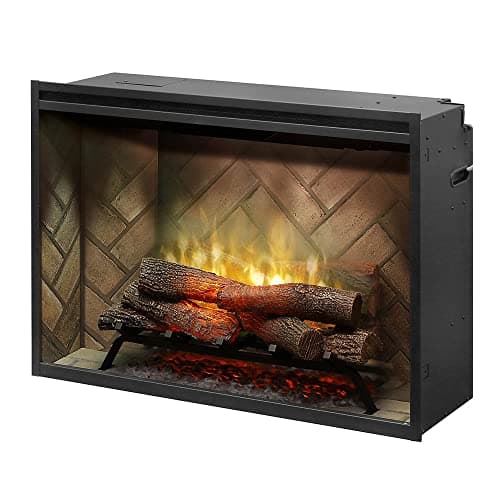
Dimplex Revillusion RBF36 36" Built-In Firebox
#ad We earn a commission at no cost to you.
Best flame-only units
Why nearly every electric fireplace already runs without heat, what flame-only actually costs to run, and the three situations that genuinely need a heaterless unit.
Top pick
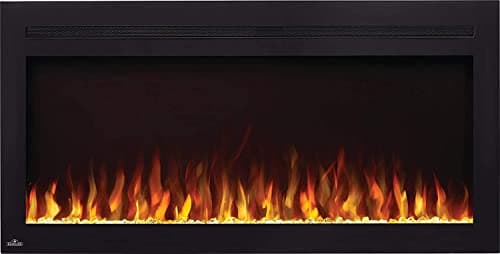
Napoleon Purview 42 (NEFL42HI)
#ad We earn a commission at no cost to you.
Best under $1,000
The $500 to $1,000 band buys width, format and a published rough opening — never heat. Five picks by job, one to avoid, and the measurements to take first.
Top pick
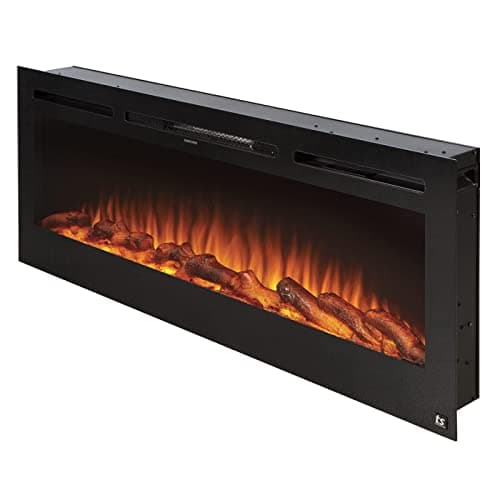
Touchstone The Sideline 50
#ad We earn a commission at no cost to you.
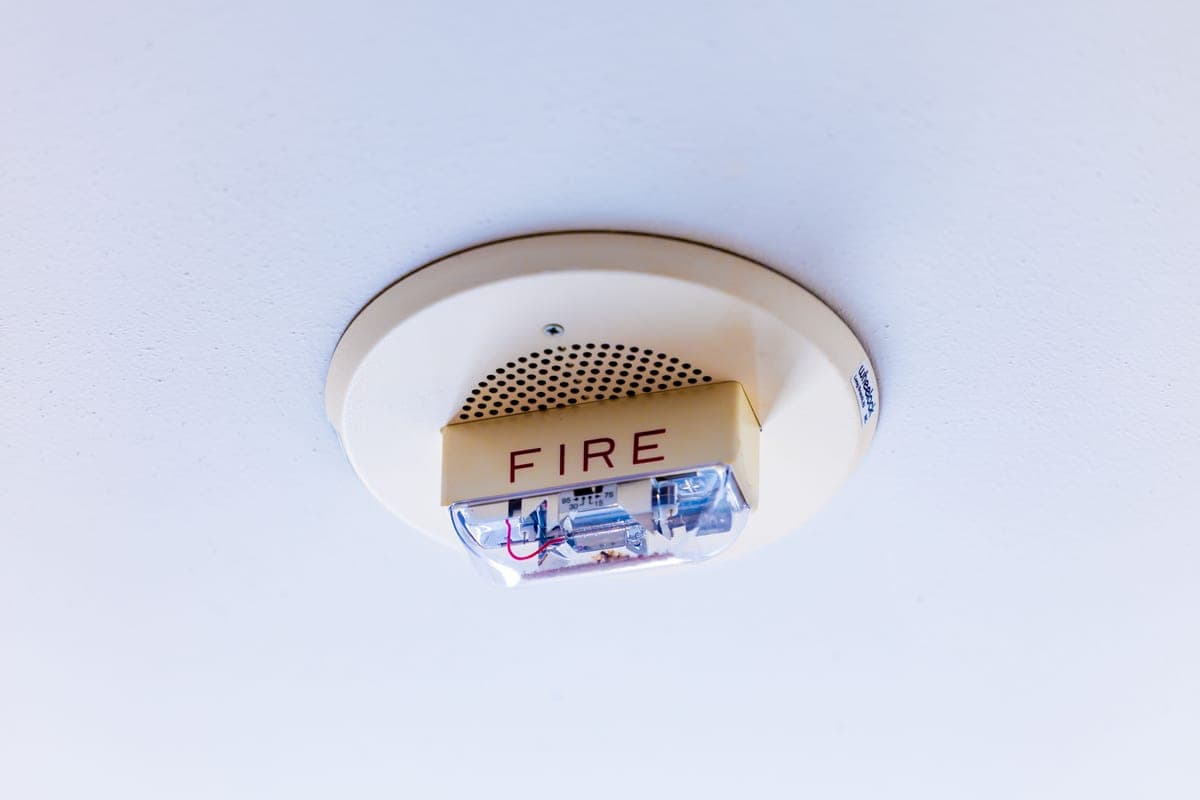
These are the pages that do not belong to a single form factor. [Are electric fireplaces safe](/guides/are-electric-fireplaces-safe) answers the question people ask before anything else, and the answer is genuinely reassuring: no combustion means no carbon monoxide, no smoke, no sparks and no flue. The real considerations are electrical, and they are worth taking seriously — a 1,500 W unit draws about 12.5 amps, which is most of a standard 15-amp circuit.
[The buying guide](/guides/buying-guide) is the page to read first if you have not decided anything. It sets out five decisions in the order that makes them easy — form factor, size, flame technology, heater type, budget — and names the four specifications that do not differ between units and are therefore not worth comparing.
Every plug-in electric fireplace sold in the United States is capped at 1,500 watts, because a standard 120 V household circuit will not safely supply more continuously. That works out to about 5,118 BTU per hour, and it is the same on a $180 log set as on a $1,800 recessed linear unit.
So the money never buys heat. It buys flame quality, housing, glass and warranty — all real things worth paying for, none of which will make your room warmer. Once that is settled, the whole category becomes much easier to shop, and both guides are written from that starting point.